Traditional Indian Bridal Ornaments and Their Significance
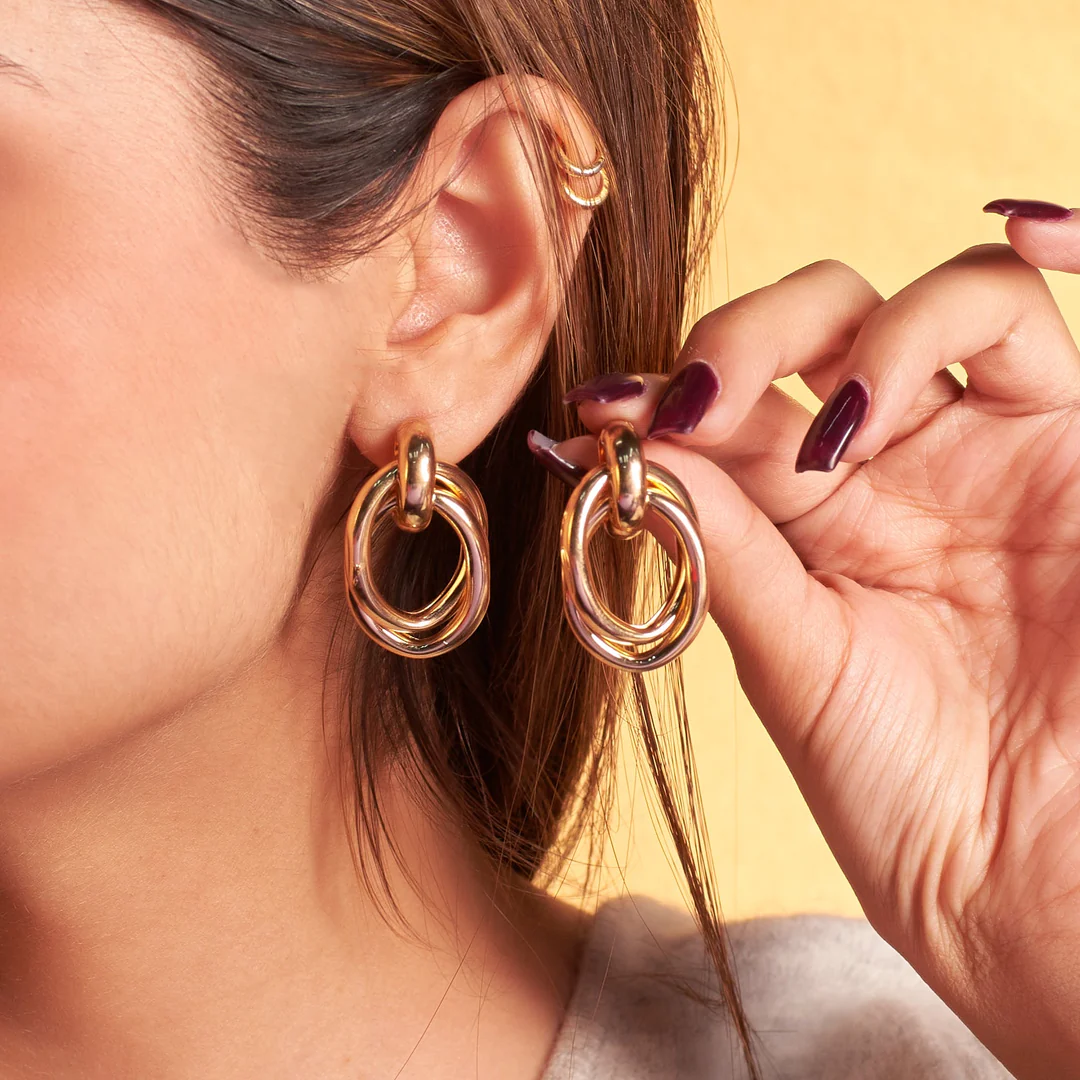
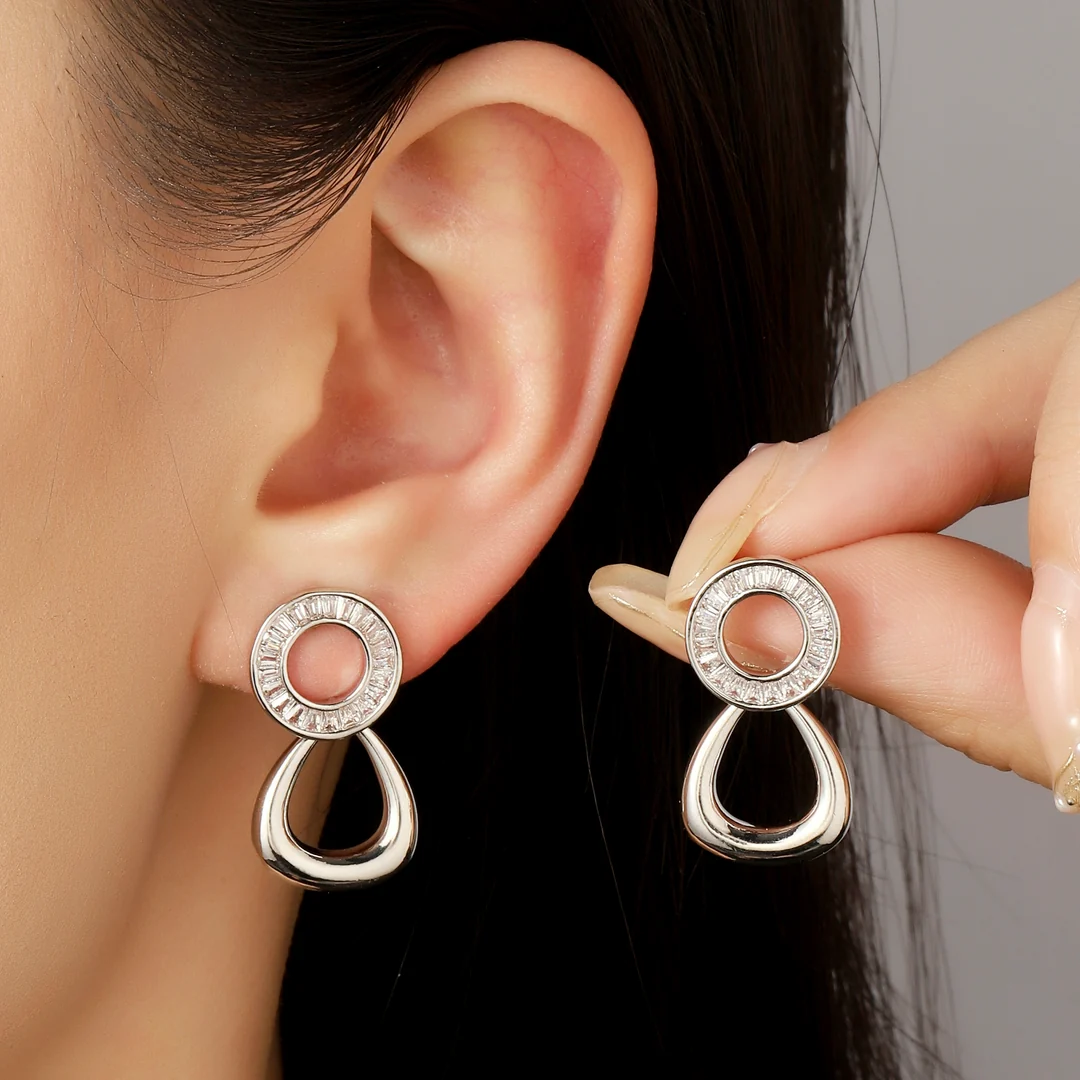
Traditional Indian Bridal Ornaments and Their Significance Indian Brides – the epitome of beauty and elegance adorned in spectacular outfits, makeup, and dazzling jewellery. Beyond adding a glamorous sparkle, traditional Indian bridal ornaments carry immense cultural significance. They signify prosperity, heritage, blessings, and the embarkment of a new phase in the bride’s life. Let’s dive into the most popular traditional Indian bridal ornaments and uncover their deep-rooted symbolism. The Importance of Bridal Jewellery in Indian Culture In the tapestry of Indian weddings, bridal jewellery embodies well-being, joy, and a commitment for eternity. Ancient ornaments are frequently handed down as cherished heirlooms, laden with family history, emotions, and precious memories. The regional nuances of India beautifully manifest in wedding jewellery. While the aesthetics may differ from state to state, the symbolism associated with love, protection, and good fortune transcends boundaries. The Iconic Bridal Ornaments Maang Tikka: Forehead Jewellery The exquisite Maang Tikka is undeniably one of the most distinguishable Indian bridal ornaments. Worn right in the middle part of the hair and resting elegantly on the forehead, the Maang Tikka traditionally symbolizes wisdom, emotional equilibrium, and the auspicious union of two souls. It not only completes the bridal look with grace but also adds a touch of regality to her hairstyle. Nath (Nose Ring): Symbol of Purity The Nath, or bridal nose ring, holds a special place in many Indian cultures. Available in myriad designs, from simple to ornate with pearls, gemstones, or fine chains tethered to the hair, the Nath represents purity and prosperity. It is considered a mandatory addition to the bride’s attire in several regions, highlighting her marital status and devotion to traditions. Mangalsutra: The Sacred Thread of Marriage Perhaps the most poignant of all bridal ornaments is the Mangalsutra. A ritualistic symbol of marriage, it is tied around the bride’s neck by the groom during the wedding ceremony. This string of black beads woven with gold signifies marital bliss, the couple’s love, commitment, and the husband’s vow to protect his wife. Necklaces: Layers of Prosperity The choice of necklaces for an Indian bride is extensive, ranging from elegant chokers and long necklaces to intricate temple jewellery and elaborate Kundan or Polki sets. Bridal necklaces represent abundance, dignity, and the blessings of the family, adding a touch of extravagance to the bride’s wedding day look. Earrings (Jhumkas): Feminine Charm Traditional Jhumkas, or chandelier-style earrings, offer a stunning complement to the bridal ensemble. These are crafted in various materials, including gold, diamond, Kundan, and gemstone finishes. Apart from their aesthetic appeal, Jhumkas traditionally symbolize femininity, grace, and good fortune. Bangles and Chooda: Fortunes on the Wrist Bangles are an intrinsic part of any Indian wedding celebration. Brides adorn themselves with gold bangles, glass bangles, or special regional bridal sets. In North India, the vibrant red and white Chooda holds significant meaning, bestowing happiness, marital concord, and well-being upon the newlyweds. Kamarbandh: Elegance at the Waist The Kamarbandh, a decorative waist belt worn around the lehenga or saree, not only cinches the bride’s silhouette beautifully but also symbolizes confidence, prosperity, and feminine grace. Historically, it was also a practical accessory for holding up heavy wedding attire. Anklets (Payal): Gentle Melodies of Joy Silver anklets, commonly known as Payal, are a traditional ornament adorning the feet of Indian brides. The gentle tinkling of the anklets is believed to invoke positivity and joy as she enters her new abode, representing grace, femininity, and familial respect. Toe Rings (Bichiya): Vows for Eternity In numerous Indian communities, married women wear Bichiya, or toe rings, following their wedding. These toe rings are a visible sign of their marital status and a symbol of lasting commitment and lifelong companionship. Modern Trends in Traditional Designs Today, the discerning bride seamlessly integrates tradition with contemporary fashion. Many brides opt for lightweight versions of classic ornaments or fuse traditional pieces with modern diamond and minimalist designs. While styles may evolve, the emotional and cultural significance of these pieces remains intact. Personalization is another growing trend, empowering brides to curate unique jewellery collections that reflect their heritage and individual style. Conclusion Traditional Indian bridal ornaments are much more than mere embellishments. They are the bearers of deep cultural meaning, symbolising love, prosperity, heritage, family values, and sacred traditions. From the defining Maang Tikka and life-affirming Mangalsutra to the melodious Payal and devoted Bichiya, each ornament narrates a story and carries a profound blessing for the bride’s new journey. As the fashion landscape shifts, these time-honoured ornaments continue to influence modern bridal jewellery designs, keeping the rich cultural heritage of India vibrantly alive.